
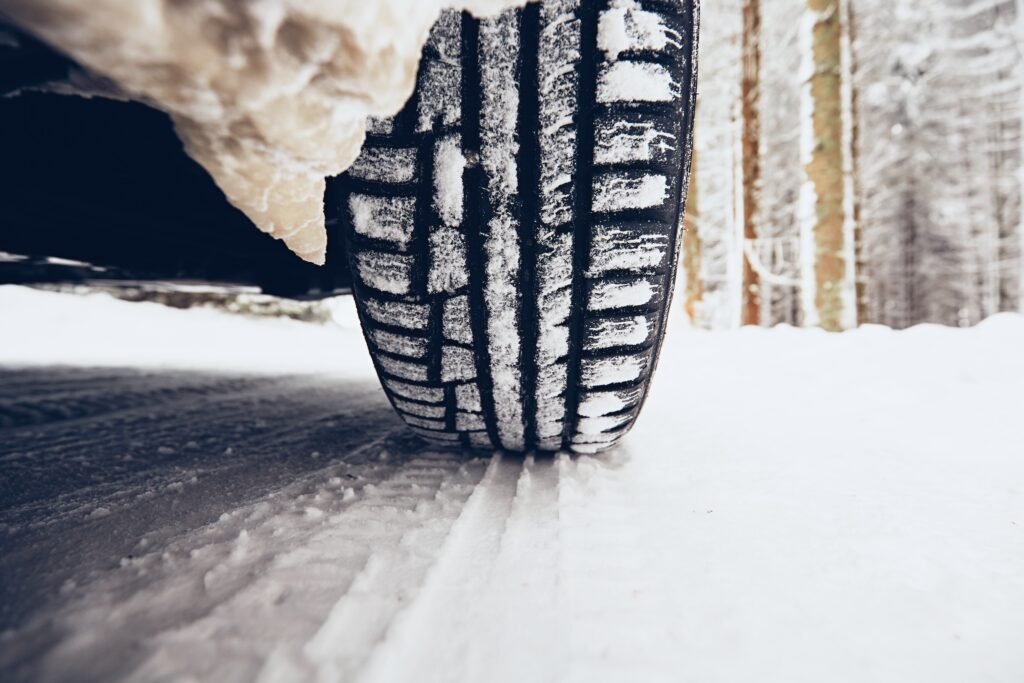
Winter brings beautiful snow-covered landscapes, but it also brings road salt, slush, ice, and harsh driving conditions that can take a serious toll on your vehicle and cause winter road damage. If you want your vehicle or truck to last, winter protection is essential. In this month’s blog post, we cover what every vehicle owner in Northern Utah should know about protecting their investment during the cold months.
Why Winter Salt Is So Damaging
The Utah Department of Transportation (UDOT) uses salt and brine solutions to keep roads safer during snowstorms. While this improves traction and reduces accidents, salt is highly corrosive. When it mixes with moisture, it accelerates rust formation, especially on metal components underneath your vehicle.
Over time, corrosion can weaken structural parts, damage brake and fuel lines, and lead to expensive repairs.
Common Winter-Related Problems
Here are the most common issues that occur during and after winter in our region:
Rust and Underbody Corrosion
Salt buildup attacks the undercarriage, frame, exhaust system, and suspension components. If left untreated, rust can spread quickly.
Symptoms to watch for:
- Visible rust spots or flaking metal
- Exhaust becoming louder, which may indicate rust holes
- Uneven ride or suspension noise
Brake System Wear
Salt and moisture can cause brake rotors to rust and calipers to stick.
Symptoms to watch for:
- Grinding or squealing noises
- Pulsating brake pedal
- Vehicle pulling to one side when braking
Battery Failure
Cold temperatures reduce battery performance, and winter is one of the most common times for breakdowns.
Symptoms to watch for:
- Slow engine crank
- Dim headlights
- Clicking sound when turning the key
Paint and Clear Coat Damage
Salt and sand can chip paint, exposing bare metal to corrosion.
Symptoms to watch for:
- Paint chips or bubbling
- Rust forming around wheel wells or door edges
Tire and Suspension Issues
Freeze-thaw cycles and potholes can affect alignment and damage tires.
Symptoms to watch for:
- Vehicle pulling to one side
- Uneven tire wear
- Steering wheel vibration
How to Protect Your Vehicle This Winter
The good news is that a few proactive steps can dramatically reduce winter damage.
Wash Your Vehicle Regularly
Even when temperatures are low, regular washing is critical. Focus on undercarriage washes to remove salt buildup. Ideally, wash your vehicle every one to two weeks during periods of heavy salting.
Apply a Protective Coating
Consider a professional wax or paint sealant before winter begins. Underbody rustproofing treatments can also provide an added layer of protection.
Inspect and Maintain Brakes
Have your brake system inspected before and after winter. Early detection of rust or uneven wear can prevent more extensive repairs.
Test Your Battery
Most auto repair shops offer quick battery testing. If your battery is more than three to four years old, proactive replacement may help prevent winter breakdowns.
Check Tire Pressure and Alignment
Cold air lowers tire pressure. Check pressure monthly and inspect for uneven wear that may indicate alignment issues caused by winter potholes.
Address Chips and Scratches Promptly
Touch-up paint can prevent small chips from developing into larger rust problems.
Do Not Wait Until Spring
Many vehicle owners wait until winter is over to address maintenance concerns, but corrosion may already be advanced by that time. Regular inspections throughout the season can save hundreds or even thousands of dollars in repairs.
Living in Utah means facing true winter conditions. With routine washing, protective treatments, and proactive maintenance, you can extend the lifespan of your vehicle and keep it safe on the road. If you are unsure whether winter conditions have already affected your vehicle, schedule a professional inspection before minor concerns become major problems. Contact the service professionals at Fowers Tire and Auto Care today to schedule your winter weather inspection.