
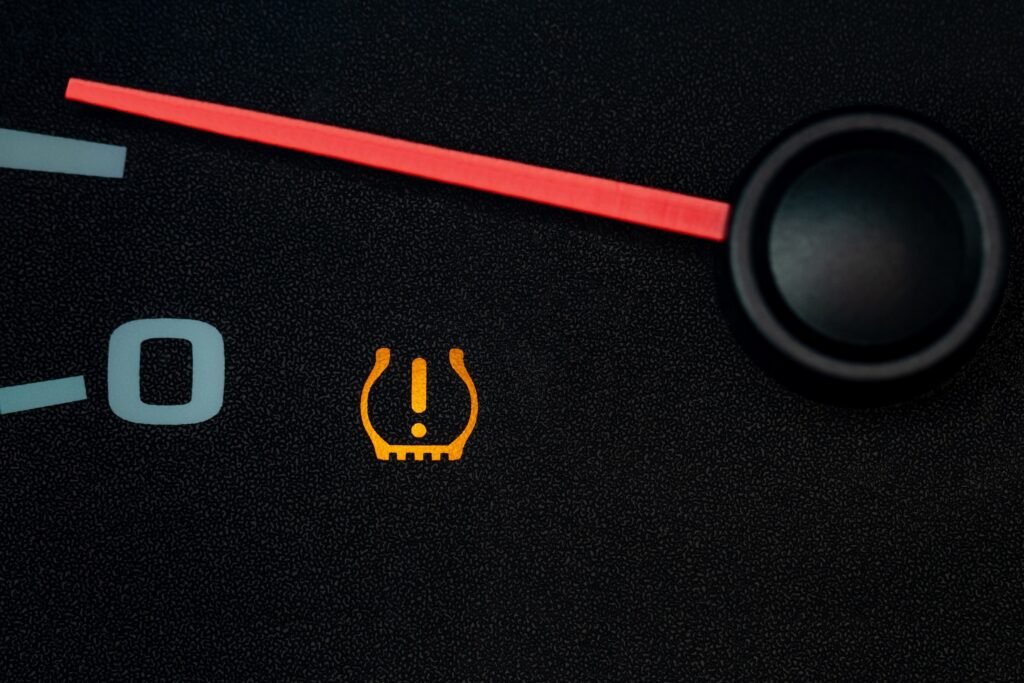
As your trusted full-service automotive and tire repair shop, we receive many calls during the winter months about a single glowing dashboard light: the Tire Pressure Monitoring System (TPMS) indicator. This small symbol, which usually looks like a horseshoe with an exclamation point inside, is a critical safety feature of your vehicle. Ignoring it does not make the issue disappear.
In this month’s post, we explain the vital function of your TPMS, detail how the system works to protect you, discuss common problems that cause the light to illuminate, and review essential tire maintenance for the cold season.
Function and Purpose of TPMS
The primary purpose of TPMS is safety. Since 2007, federal regulations have required all passenger vehicles to include this technology. It warns the driver when one or more tires are significantly underinflated, helping to prevent catastrophic tire failure, which is a major cause of highway accidents.
Proper tire inflation also provides two key benefits to you, the owner: improved fuel economy and extended tire life. An underinflated tire creates more rolling resistance, forcing the engine to work harder and consume more gasoline.
How the System Works
Most modern vehicles utilize a Direct TPMS. This system employs a small electronic sensor placed inside the tire, usually mounted on the valve stem.
Each sensor constantly measures the air pressure and temperature inside its respective tire. It transmits this data wirelessly to the vehicle’s onboard computer. If the sensor detects that the pressure in a tire has dropped approximately twenty-five percent below the manufacturer’s recommended level, the TPMS light illuminates on the dashboard. This immediate warning allows the driver to pull over and address the issue before a dangerous situation develops.
Common Problems and Cold Weather Care
The most common reason for the TPMS light to turn on during the winter is simply cold air contraction. For every drop of ten degrees Fahrenheit, your tires will lose about one pound per square inch (PSI) of air pressure. If you park your vehicle in a heated garage overnight and then drive in near-freezing air, the rapid pressure loss will often trigger the light.
The fix is straightforward: manually check all four tires with a quality gauge and inflate them to the PSI specified on the placard located on your driver-side door jamb.
Another common issue is sensor battery failure. The sensors contain small, sealed batteries that have a lifespan of five to twelve years. When the battery dies, the sensor cannot transmit its reading, and the light comes on. This requires a professional to replace the entire sensor unit.
To keep your tires healthy during the winter, you must check your pressure once every two weeks and inflate them as necessary. Do not rely solely on the TPMS light; it is a warning system, not a maintenance reminder. Proper tire care is crucial for safe vehicle operation. If you have any concerns about your vehicle’s TPMS, contact the service professionals at Fowers Tire and Auto Care to schedule an appointment for a full inspection.