
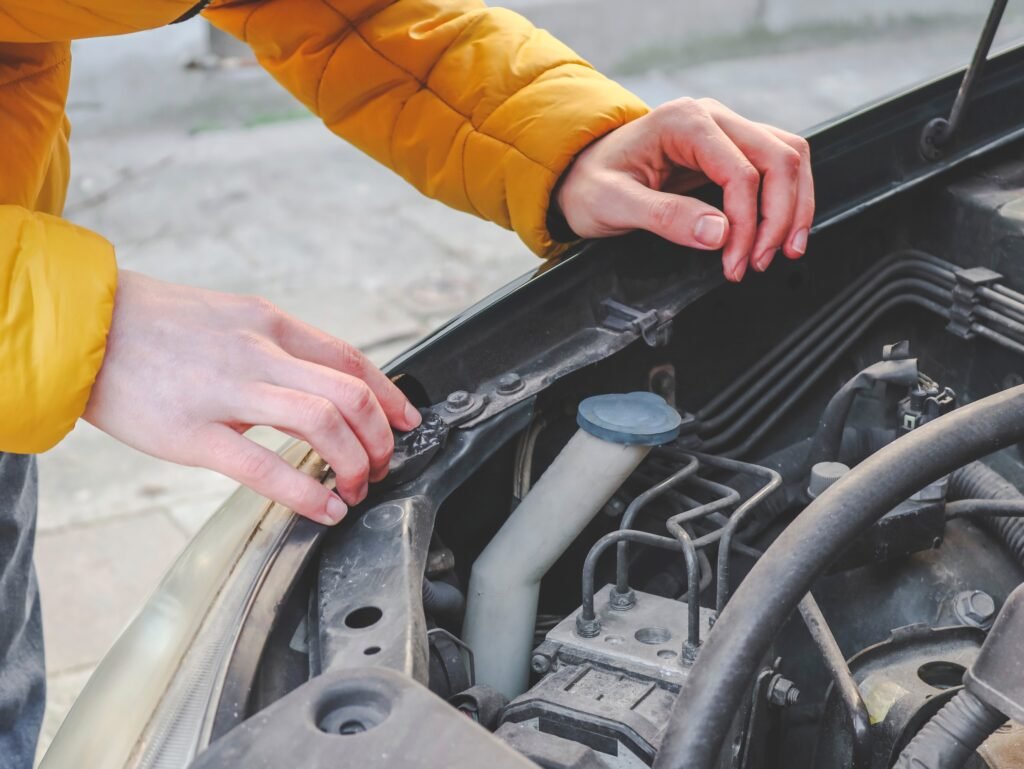
Winter tends to make drivers think about batteries, tires, and other obvious cold‑weather concerns, but one critical system often gets ignored: the network of rubber hoses running throughout the engine bay. Rubber hoses and winter are not a good combination. These hoses move coolant, regulate vacuum pressure, and help keep modern engine controls functioning smoothly. When temperatures plunge, rubber stiffens and loses elasticity, making it far more vulnerable to quiet, hard‑to‑spot failures. This month’s blog explores how winter conditions stress your vehicle’s hoses and the subtle signs that something may be going wrong.
Why Cold Weather Takes a Toll on Rubber
Rubber is meant to flex as the engine cycles between hot and cold. In freezing weather, though, the material becomes rigid, increasing the chance of tiny cracks or “cold leaks.” Older hoses—or those that have been exposed to oil—are especially prone to developing small fractures that widen under pressure. Because winter air is dry and engine components run hot, any escaping fluid can evaporate before it ever reaches the ground, leaving no telltale puddle behind.
Subtle Symptoms You Might Notice
These problems do not always trigger warning lights, so it helps to stay alert to small changes in how your vehicle behaves.
- Performance issues: Rough idle, sluggish acceleration, or declining fuel efficiency.
- Climate control inconsistencies: Heat that fades in and out or takes too long to warm the cabin.
- Unusual sounds: Faint hissing or whistling from under the hood.
- Unexplained coolant loss: A slowly dropping reservoir level without visible leaks.
Vacuum and Cooling System Concerns
Vacuum leaks can be especially sneaky. Even a hairline opening can allow enough air into the system to throw off engine readings, causing hesitation or stumbling while driving. A compromised coolant hose may only leak once the engine reaches full temperature, making the issue even harder to spot. Left unaddressed, a tiny winter crack can turn into a major overheating problem once warmer weather arrives.
Smart Winter Maintenance
A few quick checks can help you catch hose problems before they escalate.
- Squeeze test: When the engine is cool, hoses should feel firm yet flexible—not brittle or overly soft.
- Inspect connections: Temperature swings can loosen clamps, so make sure fittings are tight.
- Clean residue: Remove oil or chemical buildup that can weaken rubber over time.
- Monitor fluid levels: A weekly glance at the coolant reservoir can reveal slow, silent leaks.
Staying attentive to these small warning signs can prevent a minor hose issue from sidelining your vehicle during the coldest months. If you would like to have your vehicle inspected for issues with your hoses, contact the service professionals at Fowers Tire and Auto Care to schedule an appointment.